


 By Admin |
 November
14, 2026
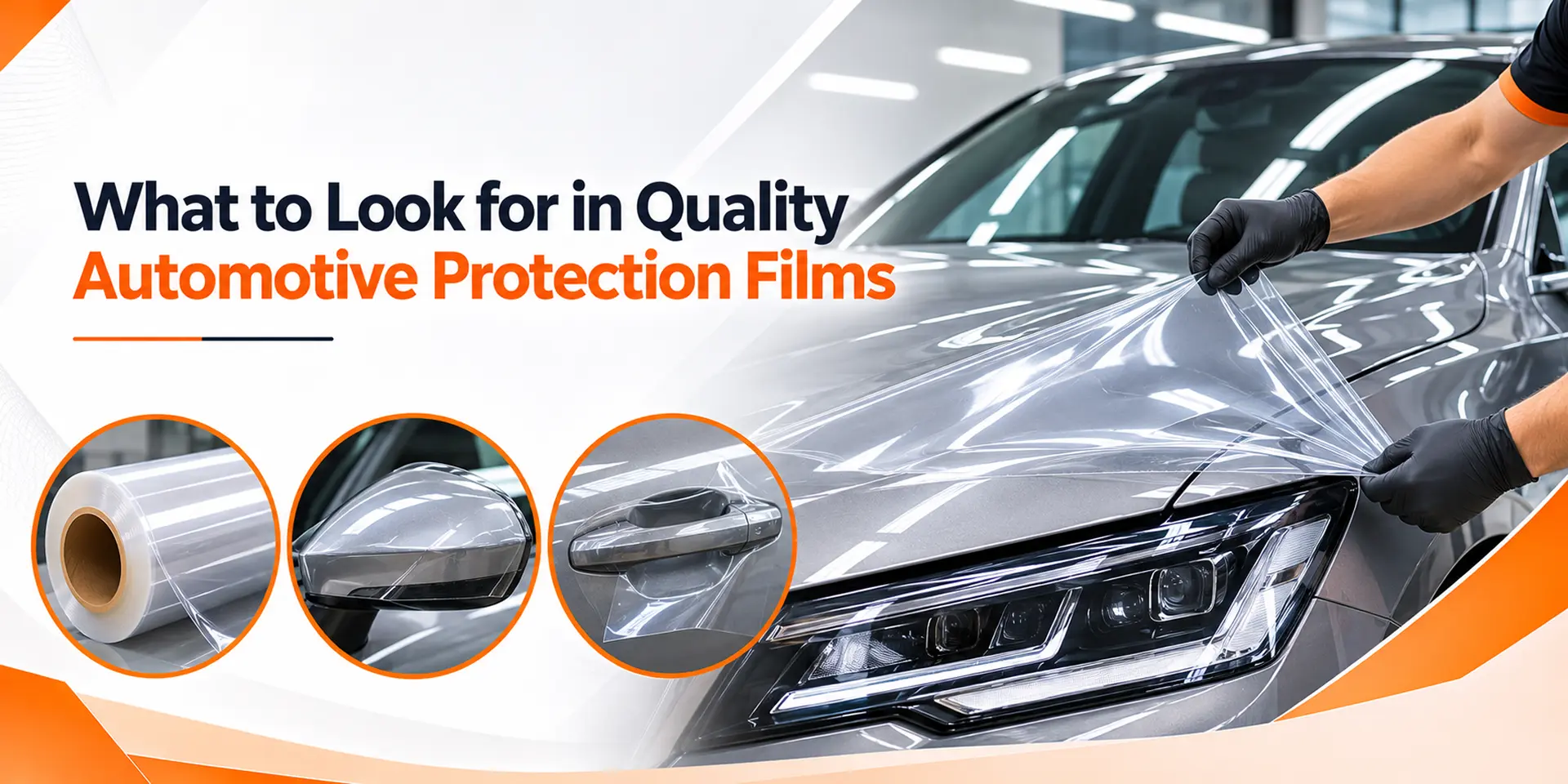
The body of a vehicle is always subjected to the environment where cars are driven. In everyday use of cars, when parking, moving around, and transporting them, surfaces get dirty because they are exposed to dust, dirt, scratches, debris, and friction, which leave such marks on the surfaces. When storing, transporting, and repairing cars, surfaces may be exposed to different things that will affect the finishing of their surfaces.
Car Surface Protection Film is an effective way to ensure your car does not come into direct contact with dust and dirt daily. Films aren't the same for all cases. You must take into account the thickness, adhesive strength, transparency, and surface compatibility. Avani Pack Wrap provides a wide range of protective films for various surface covering and industrial purposes.
The painted surface of a car adds to the aesthetics of the car along with its value when resold. But several activities can cause the car's painted surface to be affected.
Selecting a film can reduce exposure to such factors.
However, the selection of an automotive film involves more than the aesthetics of the film itself. The factors listed below may help decide whether a specific film is suitable for the given purpose.
It is an important point, as it decides how much the film can protect the car from any abrasions or exposure throughout the day. This must be decided according to the level of protection needed and the environment where the car will function.
One should not make assumptions about product thickness while considering business products.
Adhesion is critical to determine the film's attachment to the surface of the vehicle. Low adhesion will lead to lifting on the edges of the film, while poor adhesion might leave residue or affect the paint when removing it.
It is important that the film provides proper adhesion and is removable in accordance with the manufacturer’s recommendations.
The look of the car should be clearly seen even after the use of the film. This is especially critical for dealerships, auto showrooms, and car owners who want the car to retain its original look.
It provides an evenly spread-out film that does not change the overall look of the vehicle.
Vehicles are subjected to exposure to sunlight, moisture, dust, and varying temperatures. It may depend on the application that the film will have to resist these elements without compromising its qualities.
Reviewing the manufacturer’s specifications on environmental suitability can guide businesses in making an informed choice.
The finishes on automobiles vary depending on the type of paint and model of the car. The film that is chosen should therefore match the surface where it is to be applied.
Before you apply Car Surface Protection Film, you need to consider its adhesive nature and application process. It might be advisable to test the film on a small, less visible surface first.
These films can be useful in several automotive-related situations:
The appropriate film specification depends on the vehicle's surface, handling conditions and intended period of application.
Even an appropriate product will not work properly when not applied correctly. Firstly, clean and dry the surface of your vehicle of any dust, grease and particles. Secondly, use the product according to the manufacturer’s directions, but try to avoid air bubbles under the film. Thirdly, apply the product evenly and be careful with its corners and curved parts. Finally, regularly inspect the surfaces protected with it and use proper removal techniques.
Please remember that daily usage, storage, and environment all impact the vehicle’s look. When choosing a film, consider such factors as thickness, the adhesive, transparency, durability and whether it is suitable for cars.
Avani Pack Wrap provide the best protection from film to suit your particular application. The correct Car Surface Protection Film allows vehicle owners and trade professionals to keep the vehicle exterior clean and eliminate the potential for unnecessary surface damage during storage, transportation and processing.
It serves as a temporary or application-specific overlay to prevent direct contact of the vehicle surface with dust, dirt, scratches, and other external elements.
The purpose of a transparent film is to let the colour underneath show through, but this will all depend on the film’s quality, the surface condition of the substrate, and how it was applied.
It depends on the condition of the paint and the technical document of the film. The drying time of newly painted surfaces should be followed and tested for compatibility.
Review the product specifications, application instructions and removal guidelines. Try a test patch to determine adhesion and compatibility.
